Maeve Research Laboratory &
Analytical Laboratory Services in Nigeria
&
International Services
&
Analytical Laboratory Services in Nigeria
&
International Services
&
Analytical Laboratory Services in Nigeria
&
International Services
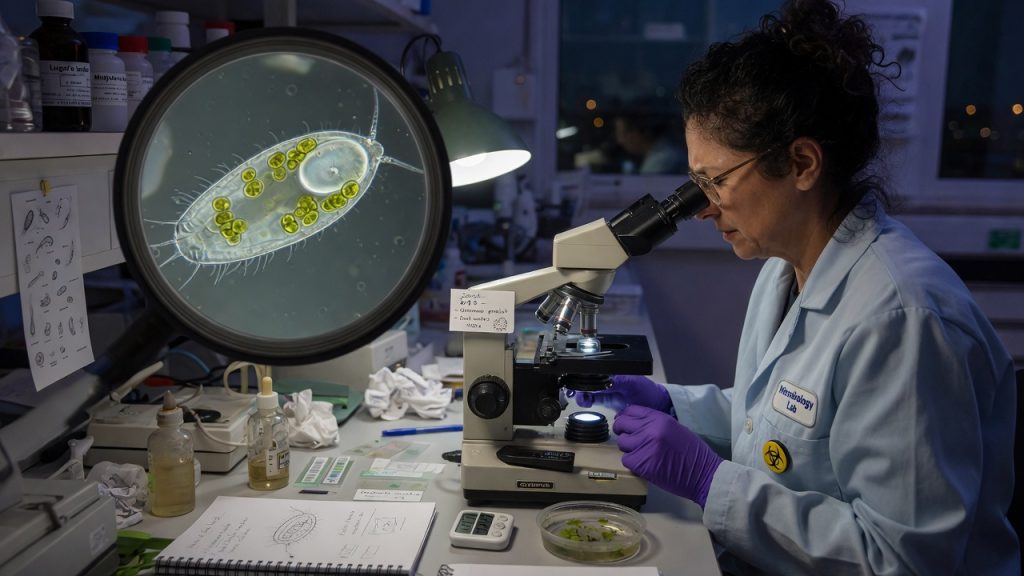
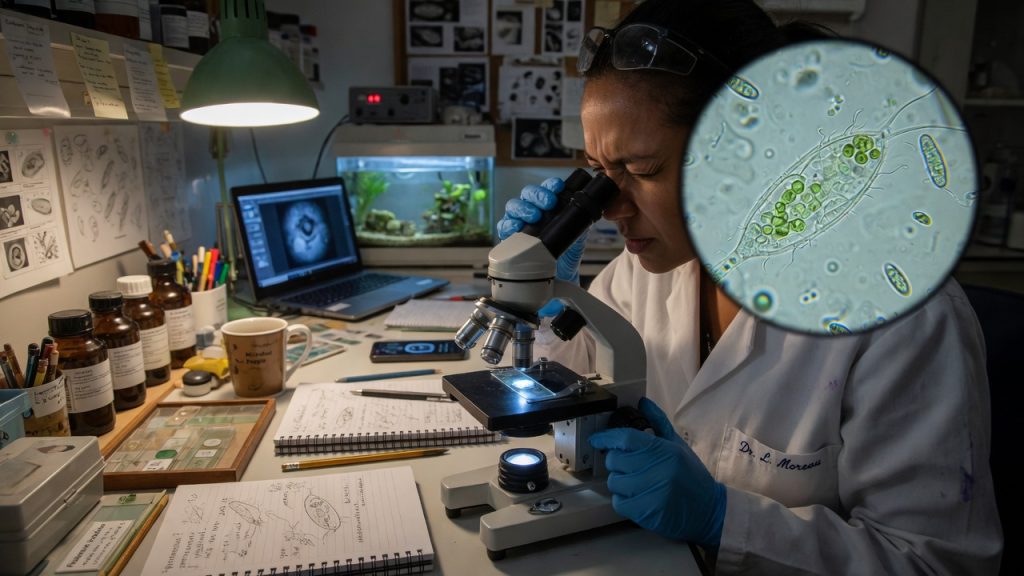
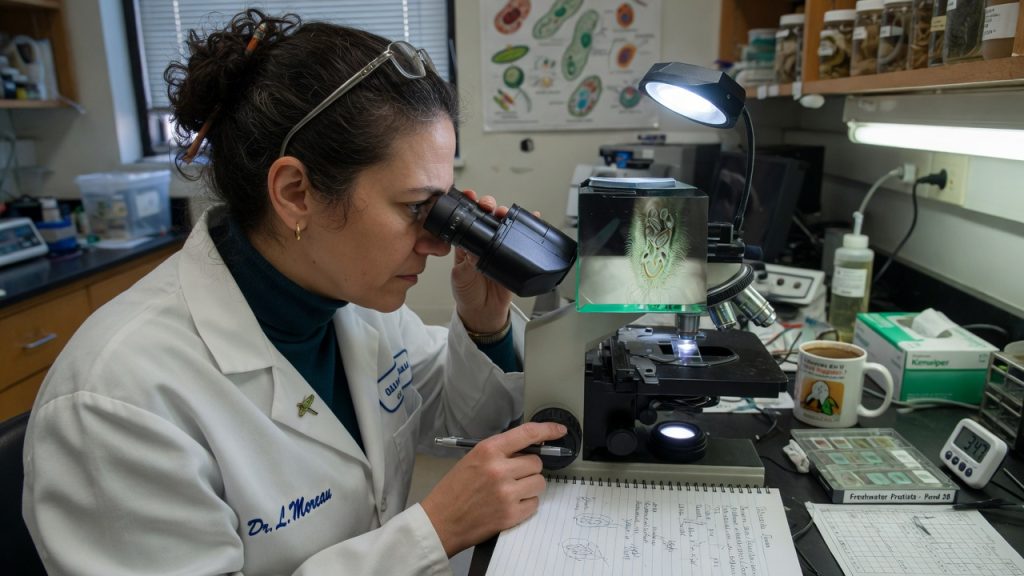
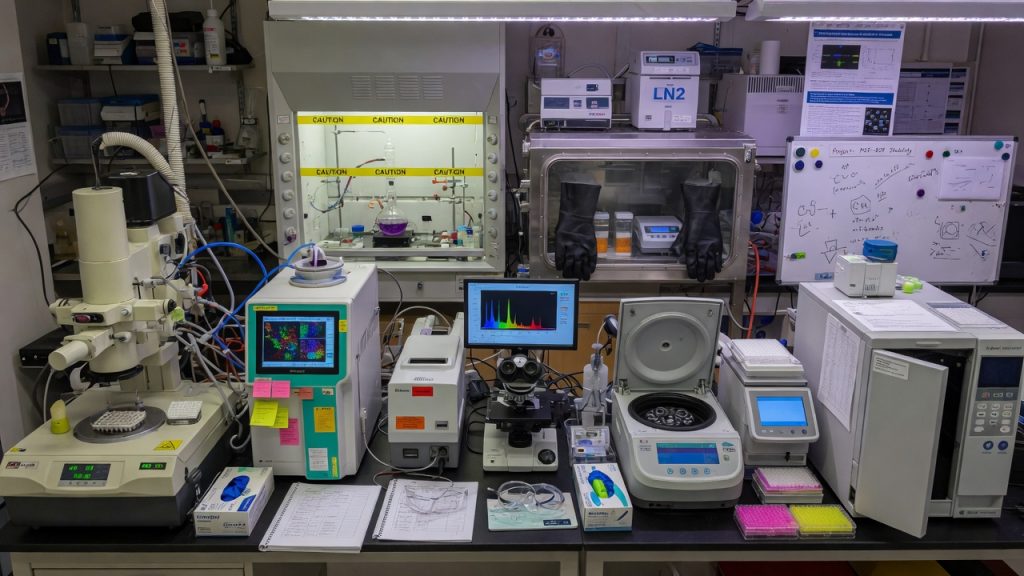
Maeve Research Laboratory is a certified and reputable analytical laboratory offering environmental testing, food and feed analysis, pharmaceutical testing, and advanced scientific research services. The laboratory serves clients in Nigeria and internationally, including industries, academic institutions, government agencies, exporters, and private individuals. It is committed to delivering accurate, reliable, and internationally compliant results.
*Fungi Analysis
#Major Minerals (Macrominerals)
Trace Minerals (Microminerals)
#Heavy Metals / Toxic Mineral Parameters
#Geochemical / Rock Mineral Analysis Parameters
#Soil Mineral Analysis Parameters
#Water Mineral Analysis Parameters
#Food and Nutritional Mineral Analysis Parameters
#Common Instrumental Analysis Parameters
Note: The exact mineral analysis parameters depend on the sample type and objective of the study (e.g., environmental analysis, food analysis, geological survey, soil fertility, water quality, or biomedical testing).
#Physical Parameters
#Chemical Parameters
#Major Ions and Nutrients
#Mineral Parameters
#Heavy Metal Parameters
#Organic and Pollution Indicators
#Microbiological Parameters
#Radiological Parameters
#General Water Quality Indicators
Colour
Odour
Appearance
Specific Gravity
Density
Viscosity
Boiling Point
Flash Point
Pour Point
Cloud Point
Volatility
Refractive Index
Conductivity
Moisture Content
Ash Content
Sediment Content
Total Petroleum Hydrocarbons (TPH)
Polycyclic Aromatic Hydrocarbons (PAHs)
Volatile Organic Compounds (VOCs)
Semi-Volatile Organic Compounds (SVOCs)
Benzene
Toluene
Ethylbenzene
Xylene (BTEX)
Aliphatic Hydrocarbons
Aromatic Hydrocarbons
Saturated Hydrocarbons
Unsaturated Hydrocarbons
Resin Content
Asphaltene Content
Sulphur Content
Nitrogen Content
Oxygenated Compounds
Chlorinated Hydrocarbons
Phenolic Compounds
Octane Number
Cetane Number
Calorific Value
Carbon Residue
Smoke Point
Gum Content
Oxidation Stability
Lubricity
Corrosion Tendency
Copper Strip Corrosion
Water and Sediment
Distillation Range
Vapour Pressure
Fuel Stability
Oil and Grease
Hydrocarbon Content in Soil
Hydrocarbon Content in Water
Dissolved Hydrocarbons
Emulsified Oil
Free Phase Hydrocarbons
Total Organic Carbon (TOC)
Chemical Oxygen Demand (COD)
Biological Oxygen Demand (BOD)
Toxicity Characteristics
Leachable Hydrocarbons
Methane (CH₄)
Ethane (C₂H₆)
Propane (C₃H₈)
Butane (C₄H₁₀)
Pentane
Natural Gas Composition
Hydrogen Sulphide (H₂S)
Carbon Dioxide (CO₂)
Oxygen Content
Nitrogen Content
Gas Heating Value
Crude Oil Assay
API Gravity
Wax Content
Bitumen Content
Paraffin Content
Naphthenic Content
Diesel Range Organics (DRO)
Gasoline Range Organics (GRO)
Lubricating Oil Analysis
Transformer Oil Hydrocarbon Analysis
Toxicity Level
Carcinogenic Hydrocarbons
Explosion Limit
Flammability
Ignition Temperature
Occupational Exposure Limit
Vapour Toxicity
Airborne Hydrocarbon Concentration
Hydrocarbon-Degrading Bacteria
Hydrocarbon-Degrading Fungi
Biodegradation Rate
Microbial Activity
Bioavailability of Hydrocarbons
Gas Chromatography (GC)
Gas Chromatography–Mass Spectrometry (GC-MS)
High Performance Liquid Chromatography (HPLC)
Fourier Transform Infrared Spectroscopy (FTIR)
UV-Visible Spectrophotometry
Atomic Absorption Spectroscopy (AAS)
Flame Ionization Detection (FID)
Total Organic Compound Analysis
Total Alkaloid Content
Quinoline Alkaloids
Isoquinoline Alkaloids
Pyrrolidine Alkaloids
Indole Alkaloids
Flavonoids
Total Flavonoid Content
Flavones
Flavonols
Flavanones
Anthocyanins
Catechins
Isoflavones
Phenols
Total Phenolic Content
Polyphenols
Phenolic Acids
Tannic Acid
Gallic Acid
Ellagic Acid
Tannins
Hydrolysable Tannins
Condensed Tannins
Saponins
Steroidal Saponins
Triterpenoid Saponins
Glycosides
Cardiac Glycosides
Cyanogenic Glycosides
Anthraquinone Glycosides
Flavonoid Glycosides
Terpenoids
Monoterpenes
Sesquiterpenes
Diterpenes
Triterpenes
Steroids
Phytosterols
Essential Oils
Volatile Oils
Aromatic Compounds
Chlorophyll
Carotenoids
Lycopene
Xanthophylls
Anthocyanins
Amino Acids
Free Amino Acids
Proteins
Peptides
Reducing Sugars
Non-Reducing Sugars
Polysaccharides
Mucilage
Gums
Fixed Oils
Fatty Acids
Waxes
Lipids
Phytates
Oxalates
Cyanide
Trypsin Inhibitors
Lectins
Antioxidants
Antimicrobial Compounds
Anti-inflammatory Compounds
Anticancer Compounds
Total Bioactive Compounds
Extract Yield
Moisture Content
Ash Content
Crude Fibre
Dry Matter Content
Soluble Solids
pH of Extract
Antioxidant Activity
Free Radical Scavenging Activity
Gas Chromatography (GC)
Gas Chromatography-Mass Spectrometry (GC-MS)
High Performance Liquid Chromatography (HPLC)
Thin Layer Chromatography (TLC)
Fourier Transform Infrared Spectroscopy (FTIR)
Nuclear Magnetic Resonance (NMR)
UV-Visible Spectrophotometry
Liquid Chromatography-Mass Spectrometry (LC-MS)
Aflatoxin B₁ (AFB₁)
Aflatoxin B₂ (AFB₂)
Aflatoxin G₁ (AFG₁)
Aflatoxin G₂ (AFG₂)
Total Aflatoxins
Aflatoxin M₁ (AFM₁)
Aflatoxin M₂ (AFM₂)
Ochratoxin A (OTA)
Ochratoxin B (OTB)
Total Ochratoxins
Fumonisin B₁ (FB₁)
Fumonisin B₂ (FB₂)
Fumonisin B₃ (FB₃)
Total Fumonisins
Deoxynivalenol (DON)
Nivalenol (NIV)
T-2 Toxin
HT-2 Toxin
Zearalenone (ZEN)
Fusarenon-X
Trichothecenes Type A
Trichothecenes Type B
Diacetoxyscirpenol (DAS)
Neosolaniol
Ergotamine
Ergometrine
Ergocristine
Ergosine
Total Ergot Alkaloids
Patulin
Citrinin
Alternariol (AOH)
Alternariol Monomethyl Ether (AME)
Tenuazonic Acid (TeA)
Altenuene
Roquefortine C
Mycophenolic Acid
Penitrem A
Beauvericin
Enniatins
Moniliformin
Sterigmatocystin
Cyclopiazonic Acid
Kojic Acid
Total Mycotoxin Load
Mycotoxin Contamination Level
Fungal Spore Count
Fungal Biomass
Toxigenic Fungal Presence
Aspergillus Species Identification
Fusarium Species Identification
Penicillium Species Identification
Alternaria Species Identification
Enzyme-Linked Immunosorbent Assay (ELISA)
High Performance Liquid Chromatography (HPLC)
Liquid Chromatography-Mass Spectrometry (LC-MS)
Thin Layer Chromatography (TLC)
Gas Chromatography-Mass Spectrometry (GC-MS)
Fluorometric Analysis
UV-Visible Spectrophotometry
Immunoaffinity Column Analysis (IAC)
Temperature
Relative Humidity
Atmospheric Pressure
Wind Speed
Wind Direction
Visibility
Noise Level
Particulate Deposition
Air Flow Rate
Turbidity of Air
Total Suspended Particulates (TSP)
Particulate Matter 10 (PM₁₀)
Particulate Matter 2.5 (PM₂.₅)
Particulate Matter 1 (PM₁)
Ultrafine Particles
Dust Concentration
Soot Content
Smoke Density
Black Carbon
Aerosol Concentration
Oxygen (O₂)
Nitrogen (N₂)
Carbon Dioxide (CO₂)
Carbon Monoxide (CO)
Ozone (O₃)
Sulphur Dioxide (SO₂)
Nitrogen Oxides (NOₓ)
Nitric Oxide (NO)
Nitrogen Dioxide (NO₂)
Ammonia (NH₃)
Hydrogen Sulphide (H₂S)
Methane (CH₄)
Volatile Organic Compounds (VOCs)
Non-Methane Hydrocarbons (NMHC)
Total Hydrocarbons (THC)
Benzene
Toluene
Ethylbenzene
Xylene (BTEX)
Formaldehyde
Chlorine Gas
Hydrogen Cyanide
Phosgene
Fluoride Compounds
Mercury Vapour
Lead Particulates
Asbestos Fibres
Radon
Silica Dust
Indoor VOC Levels
Carbon Monoxide Exposure
Carbon Dioxide Build-up
Biological Contaminants
Mould Spores
Pollen Count
Airborne Bacteria
Airborne Fungi
Ventilation Efficiency
Odour Concentration
Stack Emissions
Flue Gas Composition
Combustion Efficiency
Sulphur Oxides (SOₓ)
Nitrogen Oxides (NOₓ)
Carbon Soot
Fly Ash
Industrial Hydrocarbons
Acid Mist
Metal Fumes
Carbon Dioxide (CO₂)
Methane (CH₄)
Nitrous Oxide (N₂O)
Ozone (O₃)
Hydrofluorocarbons (HFCs)
Perfluorocarbons (PFCs)
Sulphur Hexafluoride (SF₆)
Greenhouse Gas Emission Rate
Carbon Footprint Indicators
Lower Explosive Limit (LEL)
Upper Explosive Limit (UEL)
Flammable Gas Concentration
Combustible Vapours
Fuel Gas Leakage
Explosion Risk Level
Ignition Potential
Odour Intensity
Odour Threshold
Offensive Gas Detection
Air Freshness Index
Sensory Irritation Level
Total Airborne Microbial Count
Airborne Bacterial Count
Airborne Fungal Count
Bioaerosol Concentration
Pathogen Detection in Air
Radon Gas
Radioactive Particulates
Alpha Radiation
Beta Radiation
Gamma Radiation
Airborne Radioisotopes
Gas Chromatography (GC)
Gas Chromatography–Mass Spectrometry (GC-MS)
Fourier Transform Infrared Spectroscopy (FTIR)
Flame Ionization Detection (FID)
Non-Dispersive Infrared Detection (NDIR)
Electrochemical Gas Detection
Chemiluminescence Analysis
UV Fluorescence Analysis
Atomic Absorption Spectroscopy (AAS)
Continuous Emission Monitoring System (CEMS)


Environmental Testing & Compliance Services
🍗 Food & Feed Testing Laboratory Services
💊 Pharmaceutical & Drug Quality Testing
ASTM analytical methods
🔬 Advanced Analytical & Instrumentation Services
Our pharmaceutical testing services meet global laboratory quality standards.
Our laboratory methods align with internationally recognized standards including:
ISO laboratory standards
WHO guidelines
AOAC official methods
ASTM analytical methods
GMP compliance principles
Quality assurance and precision remain our top priorities.
We are team of experts who are dedicated to giving you the best possible project management consulting services.
Maeve Academic Research Laboratory is a state-of-the-art academic research Lab/Institute Nigeria that is dedicated to advancing the frontiers of science and technology. With a focus on modern and advanced technologies, Maeve aims to provide top-notch research services to its clients and partners

Sometimes, people ask us why they should trust maeve research laboratory. And it’s a fair question! After all, we are asking people to trust us with their most personal information So why should you trust us?
Here are a few reasons:
1. We have a strong commitment to protecting your privacy. We have strict policies and procedures in place to safeguard your information.
2. We have a long history of conducting ethical research. We have been in business for over 10 years and have always operated with the highest standards of ethics and integrity.
3. We are transparent about our research. We want you to understand what we’re doing and why we’re doing it. We want you to know that your information is being used for good.
We hope that this has reassured you and that you will consider trusting us with your
We help ensure food safety, regulatory compliance, and export Readiness.
Phone:+2348063699352|| Email: Maeveresearchlaboratory@gmail.com